• Learn how to spot early drainage problems before they turn into costly water damage.
• Follow simple steps to keep gutters, downspouts, and grading working the right way.
• Avoid common DIY mistakes and protect your home with fast, practical action.
Why Summer Drainage Matters in Dana Point
In Dana Point, summer storms can still bring fast bursts of rain that catch homeowners off guard. When drains, gutters, and soil flow are not working the right way, water can move toward the home instead of away from it. That is when small issues can turn into costly damage fast.
We often see that drainage and water damage prevention tips matter most when people think the risk is low. Heat can dry out soil and shift the ground, but one hard rain can send water pooling near walkways, slabs, and foundations. If you wait until water is already entering the home, the damage can spread before you have time to react.
The good news is that a few smart checks can lower the risk before a problem starts. Simple care around the yard, roofline, and plumbing lines can help protect your property during the summer season. If you need help with a deeper drainage concern, our drainage and water damage services are built to address issues before they grow.
How We Help Keep Water Away
The best results come from looking at the whole path water takes around the home. We start at the roof and gutters, then move down to grading, downspouts, drains, and the places where water tends to collect. This approach helps us spot weak points before they lead to soaked walls, damaged flooring, or mold growth.
We also pay close attention to signs that water is not moving as it should. Standing water, soggy soil, musty smells, and stains near the base of walls can all point to trouble. With drainage and water damage prevention tips, the goal is not just cleanup after a problem, but stopping the water from finding a way in.
Step-by-Step Guide
🕵️ Step 1: Check the Areas Where Water Collects
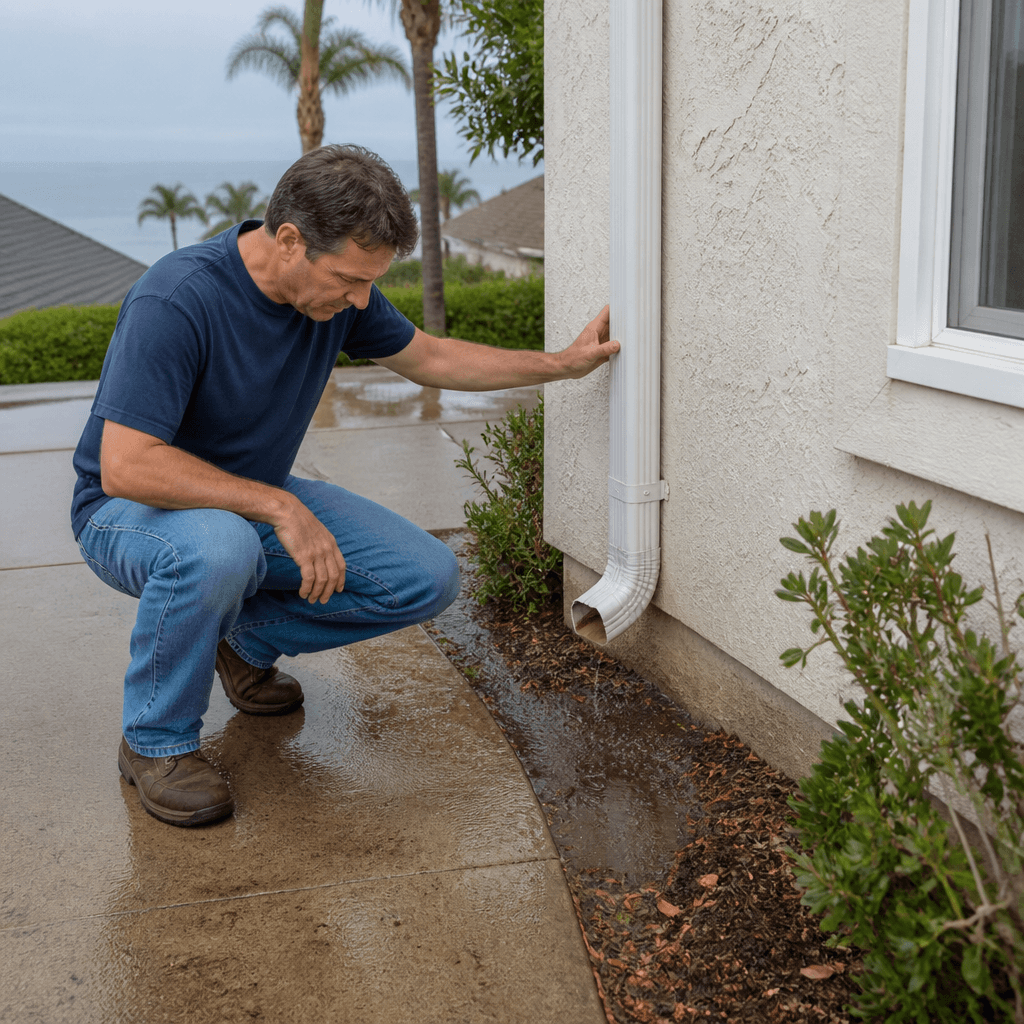
Walk around your home after a hose test or rain and look for puddles near the foundation, low spots in the yard, and water that stays in place too long. These are the first signs that drainage is not moving away from the home the way it should.
🧹 Step 2: Clear Gutters and Downspouts
Remove leaves, dirt, and debris so rainwater can flow freely through the gutter system. When gutters clog, water can spill over the edge and run down walls, windows, or the base of the home.
📏 Step 3: Check the Ground Slope
Make sure soil near the house slopes away from the structure instead of toward it. Proper grading helps rainwater move outward, which lowers the chance of seepage near the foundation.
🔧 Step 4: Extend Downspouts Away From the Home
Downspouts should carry water far enough from the foundation to keep it from pooling nearby. Short discharge points often send water right back to the same spot, which can weaken the soil and raise the risk of damage.
🚰 Step 5: Inspect Drain Openings and Yard Drains
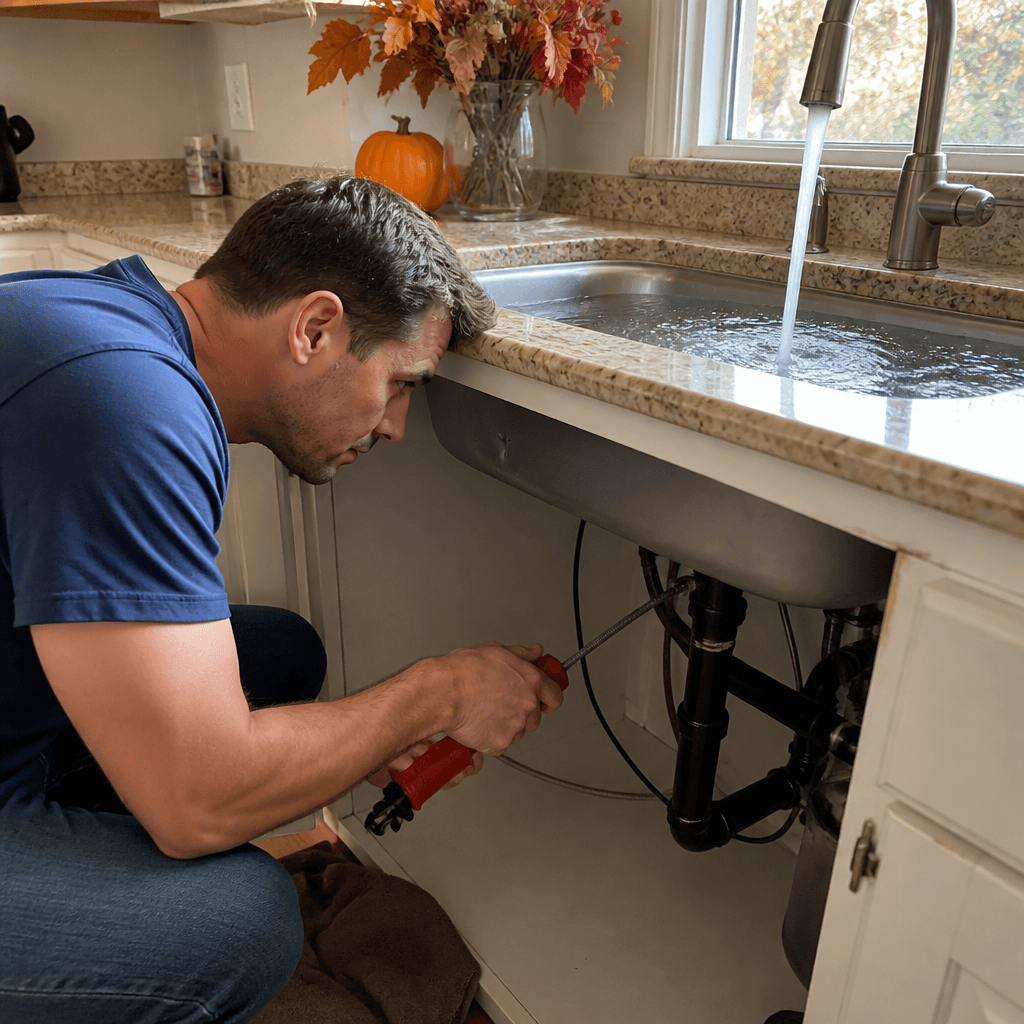
Look for blockages in surface drains, French drains, and other drainage openings. Even a small clog can slow the whole system and allow water to back up during a heavy summer storm.
👀 Step 6: Look for Early Signs of Water Intrusion
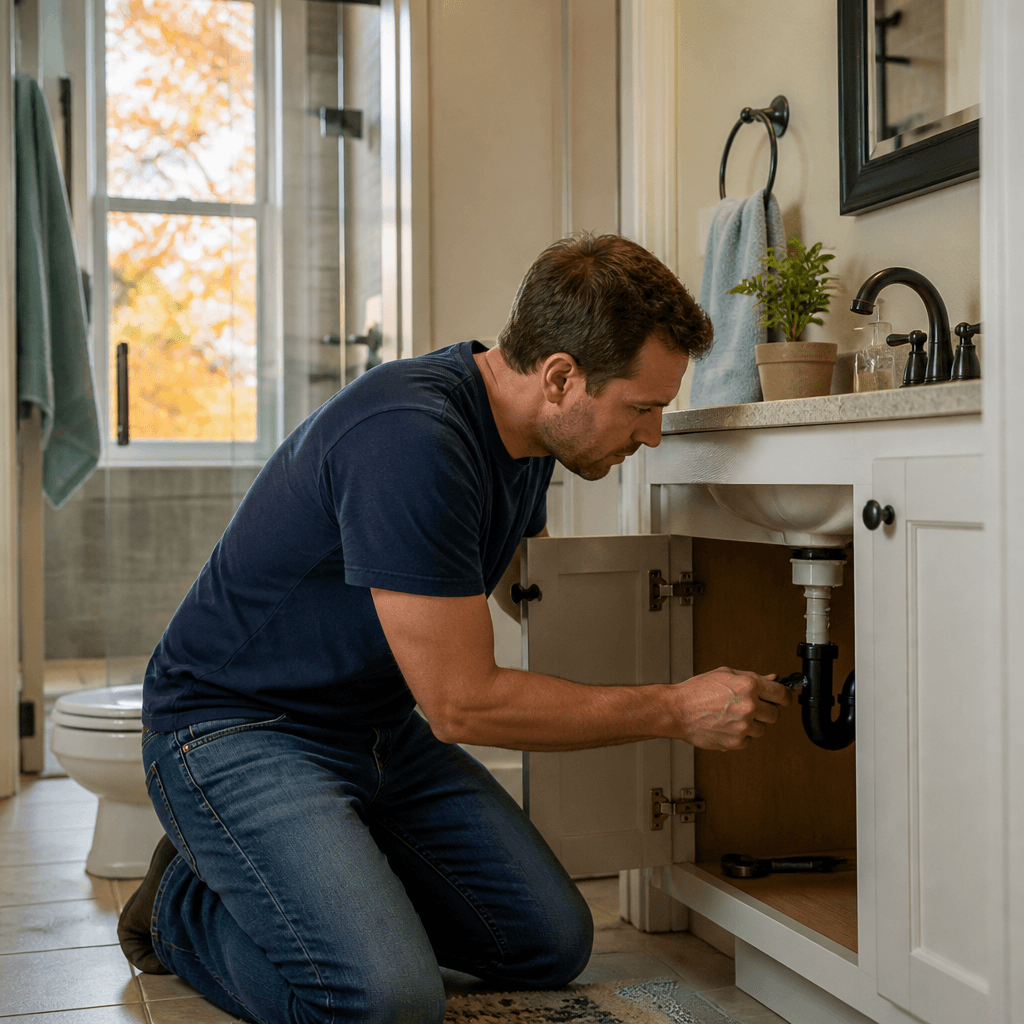
Check for peeling paint, damp drywall, warped flooring, and musty odors inside the home. These warning signs often mean moisture is already making its way in and should be addressed right away.
🪣 Step 7: Reduce Standing Water Around Outdoor Areas
Empty containers, fix low-spots that hold water, and keep patios, walkways, and planter beds draining properly. Standing water can soak into nearby surfaces and create long-term moisture problems.
📞 Step 8: Act Quickly When You Spot a Problem
If water keeps returning to the same area, do not wait for the next storm to make it worse. Fast action can protect the structure, reduce cleanup time, and help stop the damage from spreading.
Common Mistakes to Avoid
Many DIY drainage fixes fail because the problem is only treated at the surface. A clogged gutter may be the most obvious issue, but water can still be getting trapped by poor grading, blocked drains, or short downspout discharge. The best way to avoid setbacks is to follow each step in order and check how water moves from start to finish.
Another common problem is assuming a dry day means the system is working fine. Water issues often show up only during rainfall or when sprinklers run, so the warning signs can be easy to miss. Careful testing and regular checks help prevent small errors from becoming bigger repairs.
⚠️ Mistake 1: Ignoring Small Puddles
Small puddles are often dismissed because they seem harmless, but they can point to poor drainage near the home. This usually happens when homeowners assume the water will disappear on its own, when it is really soaking into the wrong areas. To prevent it, watch where water settles and fix the cause before the next rain.
⚠️ Mistake 2: Cleaning Gutters but Skipping Downspouts
Some people clear the gutter channel and stop there, even though downspouts can still be blocked. This happens because the clog is not always visible from the ground, so the job feels finished too soon. Prevent it by checking the full path from roof edge to discharge point.
⚠️ Mistake 3: Forgetting to Check the Soil Slope
A yard can look fine on the surface while still sloping toward the house. This often happens because grading changes slowly over time from settling, watering, or landscaping work. Prevent it by making sure water naturally moves away from the structure after rain or hose use.
⚠️ Mistake 4: Letting Drain Openings Stay Clogged
Yard drains and surface drains can fill with dirt, leaves, and debris, which blocks water flow. Homeowners often miss this step because the drain cover hides the problem until backup starts. Prevent it by checking drains often and clearing any buildup right away.
⚠️ Mistake 5: Waiting for Visible Interior Damage
Some people wait until they see staining, peeling, or warped floors before taking action. This happens because hidden moisture is easy to overlook, and the damage can move behind walls before it becomes obvious. Prevent it by responding to smells, damp spots, and repeated water pooling as early warning signs.
Frequently Asked Questions
What are the first signs of a drainage problem?
Yes, the first signs usually include pooling water, soggy soil, and water that stays near the foundation after rain. You may also notice gutter overflow, damp walls, or a musty smell indoors. These are early clues that water is not moving away from the home the way it should.
How can we stop water from collecting near the foundation?
Yes, you can reduce collection by cleaning gutters, extending downspouts, and making sure the soil slopes away from the house. These drainage and water damage prevention tips work best when used together. If water keeps returning to the same spot, the grading or drain path likely needs attention.
Why is summer still a risk for water damage in Dana Point?
Yes, summer can still bring water damage risk because short storms, irrigation runoff, and poor drainage can all lead to pooling. Warm weather can also dry and shift soil, which affects how water flows around the property. That makes summer a smart time to inspect outdoor drainage before a storm hits.
How often should gutters and drains be checked?
Yes, they should be checked regularly, especially before and during the rainy season. A quick inspection after heavy wind, yard work, or a storm can catch blockages early. Staying on schedule helps prevent water from backing up and causing damage.
Can small drainage issues cause major water damage?
Yes, small drainage issues can turn into major damage if they are left alone. A tiny clog or a low spot in the yard can send water toward walls, floors, and the foundation over time. That is why fast action matters when the first warning signs appear.
Final Thoughts on Protecting Your Home
Keeping water away from your home starts with simple habits and careful attention to where rain is going. When we follow the right drainage and water damage prevention tips, we can lower the chance of expensive repairs and protect the structure for the long run. That is especially important in Dana Point, where summer weather can still create fast changes in water flow.
The key is to inspect early, clear blockages, correct slope problems, and act fast when something looks off. If you want to stay connected with our team and see more from us, follow us on social media.