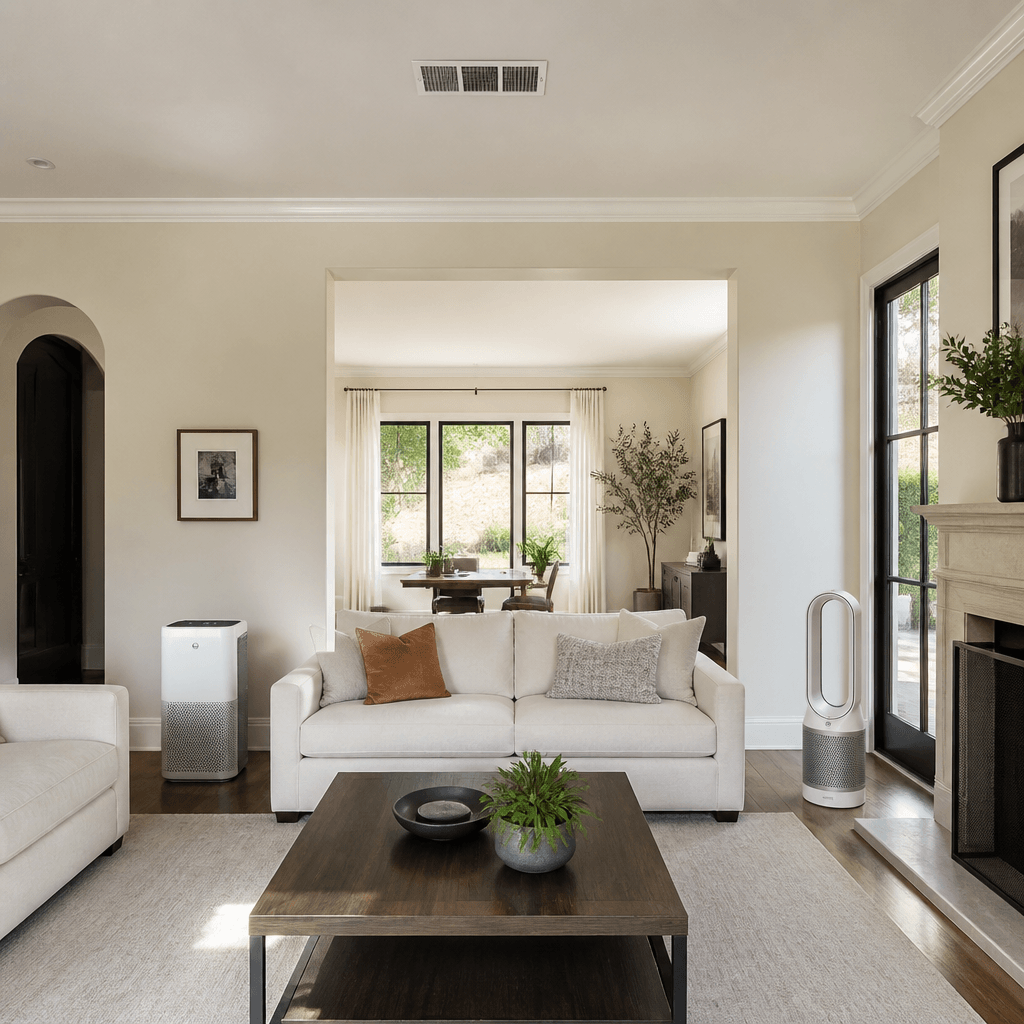
• Know the difference fast: An air cleaner usually handles larger particles, while an air purifier is often better for finer pollutants. If you are weighing air cleaner vs air purifier compared, the right choice depends on your home’s main air concern.
• Match the system to your space: Room size, daily use, and your HVAC setup all affect how well the unit performs. A careful choice can help reduce dust, allergy triggers, and stale indoor air during warm Lake Forest weather.
• Avoid common DIY mistakes: Skipping maintenance, choosing the wrong size, or ignoring filtration needs can lead to poor results. A simple step-by-step process makes it easier to pick the option that fits your home.
Why Air Choices Matter in Summer
In Lake Forest, summer heat can make indoor air feel heavy fast, and that is when the difference between an air cleaner and an air purifier starts to matter. If you have been searching for air cleaner vs air purifier compared, you may already know that stale air, dust, and extra allergens can make your home less comfortable. The right system can help your family breathe easier while your HVAC system works through long warm days. When indoor air feels off, it is smart to act early before the problem gets harder to manage.
An air cleaner can help catch larger particles, while an air purifier is often built to target smaller airborne pollutants. That difference matters when summer brings more dust, pollen, and closed-window living in Lake Forest. Our team at air quality solutions knows that many homes need the right match for their space, not just a quick fix. Choosing the wrong option can leave you with air that still feels stale or irritating.
We often hear from homeowners who want a simple answer, but the best choice depends on the air issues in the home. A busy house, pets, or allergy concerns can all change what will work best. When you compare both options carefully, you can save time, reduce frustration, and make a better choice for summer comfort. That is why it helps to understand what each system actually does before buying.
What Each System Does Best
Air cleaners and air purifiers both help improve indoor air, but they are not built the same way. An air cleaner usually focuses on removing visible dust and other larger particles, while an air purifier often uses stronger filtration to trap smaller pollutants floating in the air. If you live in a place like Lake Forest, where summer often means running the AC and keeping windows shut, that difference can matter more than people think. Understanding the job of each system makes air cleaner vs air purifier compared easier to judge.
The best choice also depends on where the unit will be used and what problem you want to solve. A family dealing with allergy symptoms may want a stronger filter-based option, while someone mainly trying to cut down on dust may need something simpler. For homes that also need help with circulation, our air quality services can support a better overall setup. Picking the right path means looking at the size of the room, the air concerns, and how often the system will run.
How to Choose the Right Option
🔍 Step 1: Check Your Main Air Problem
Start by figuring out what bothers you most, such as dust, pet dander, odors, or allergy flare-ups. The right choice depends on the main issue, because no single unit fixes every air problem in the same way.
📏 Step 2: Measure the Room Size
Choose a system that fits the room where it will run most often. A unit that is too small may not move enough air, while one that is too large may be more than you need.
🧼 Step 3: Look at Filtration Needs
Review what kind of particles the unit is made to handle. Air purifiers often use finer filters, which can be useful when you want to catch smaller airborne particles.
🔄 Step 4: Think About Daily Use
Consider how often the system will run and whether it needs to work in a bedroom, living room, or main hallway. A unit used for many hours each day should be easy to maintain and fit your routine.
🌬️ Step 5: Match It to Your HVAC Setup
Make sure the air treatment choice works well with your existing system. A good fit helps the home feel more balanced, especially during hot Lake Forest summers when indoor air can feel heavy.
🛠️ Step 6: Check Filter and Maintenance Needs
Look at how often filters need to be changed and whether the unit is simple to clean. Regular upkeep matters because a clogged filter can reduce performance over time.
🏠 Step 7: Consider Your Home’s Air History
If you have noticed dust buildup, lingering smells, or allergy trouble, use that history to guide your choice. The right system should match the real conditions in your home, not just a label on the box.
Common Mistakes to Avoid
Many homeowners want to solve indoor air problems quickly, but rushed choices often lead to weak results. The most common mistakes happen when people skip the basics and focus only on price or appearance. A little planning can prevent wasted money and better match the system to your home.
- ⚠️ Mistake 1: Choosing Without Knowing the Main Problem
This happens when people buy a unit before figuring out whether they are fighting dust, odors, or fine particles. It usually comes from wanting a fast fix, but the wrong match can leave the air feeling the same. To prevent this, identify the main issue first and then choose the system that fits that need. - ⚠️ Mistake 2: Ignoring Room Size
Some people pick a unit that is too small or too large for the space. This mistake often happens because the box looks helpful without checking the room it will serve. Measure the room and match the unit to that space before buying. - ⚠️ Mistake 3: Forgetting About Filter Maintenance
A lot of DIY buyers focus on setup and forget that filters need regular care. This happens when people assume the system will keep working the same way forever. To avoid this, check how often the filter needs service and plan for it from the start. - ⚠️ Mistake 4: Overlooking Existing HVAC Conditions
Some homeowners add an air treatment device without checking how it fits with the rest of the home’s airflow. This usually happens when people think the unit works alone, even though the HVAC system affects results. Prevent this by looking at the full setup, not just the device itself. - ⚠️ Mistake 5: Focusing Only on Dust and Missing Smaller Particles
This mistake happens when people assume all indoor air problems are the same. They may clean the visible dust but still deal with allergy triggers and fine particles in the air. The best way to prevent this is to compare what each system is made to capture before making a choice.
Frequently Asked Questions
What is the difference between an air cleaner and an air purifier?
An air cleaner usually helps reduce larger particles like dust and debris, while an air purifier is often designed to capture smaller airborne pollutants. The right choice depends on what is bothering your indoor air the most.
Which is better for allergies, an air cleaner or an air purifier?
An air purifier is often the better choice for allergies because it is usually built to trap finer particles. If your symptoms come from pollen, pet dander, or other tiny irritants, a purifier may offer better support.
How do I know which one my home needs?
The best way is to look at the main air problem in your home, such as dust, odors, or allergy triggers. If the issue is mostly smaller airborne particles, an air purifier may be the stronger fit.
Can an air cleaner vs air purifier compared help me decide faster?
Yes, air cleaner vs air purifier compared makes it easier to see which system fits your goals. When you compare how each one handles particles, you can make a smarter choice for your space.
Do air cleaners and air purifiers work well in summer?
Yes, both can help in summer when homes stay closed up and indoor air can feel stale. In Lake Forest, warmer weather often makes it more important to choose the right system for cleaner, more comfortable air.
Final Thoughts on Cleaner Indoor Air
Choosing between these two options comes down to your home’s needs, your air concerns, and how you want the system to perform. When you understand the differences, it becomes much easier to pick a solution that supports comfort during the summer months in Lake Forest. A careful choice can make indoor air feel fresher and more manageable for your family.
If you are still weighing your options, the safest next step is to look at your air quality needs as a whole and match the system to your space. That approach helps you avoid common mistakes and gets you closer to the result you want. For more updates and home comfort tips, follow us on Instagram.