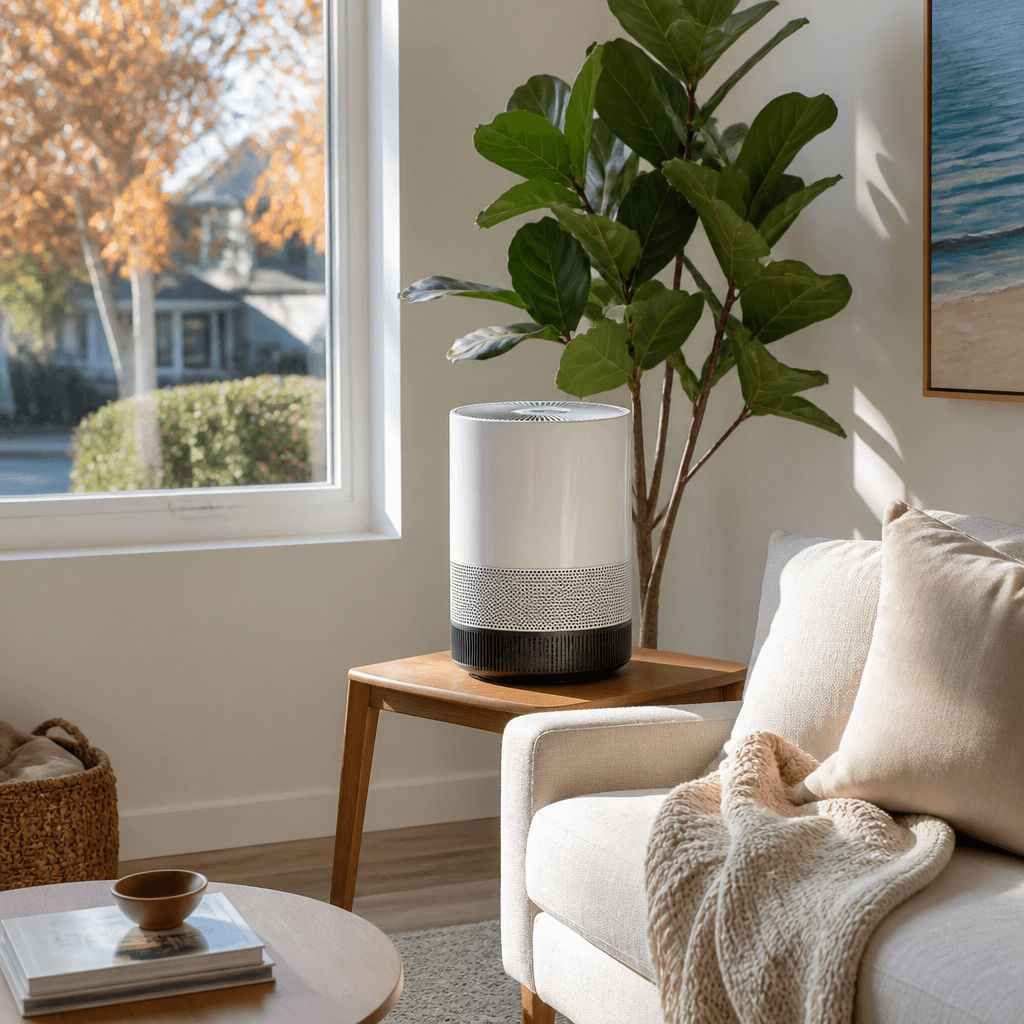
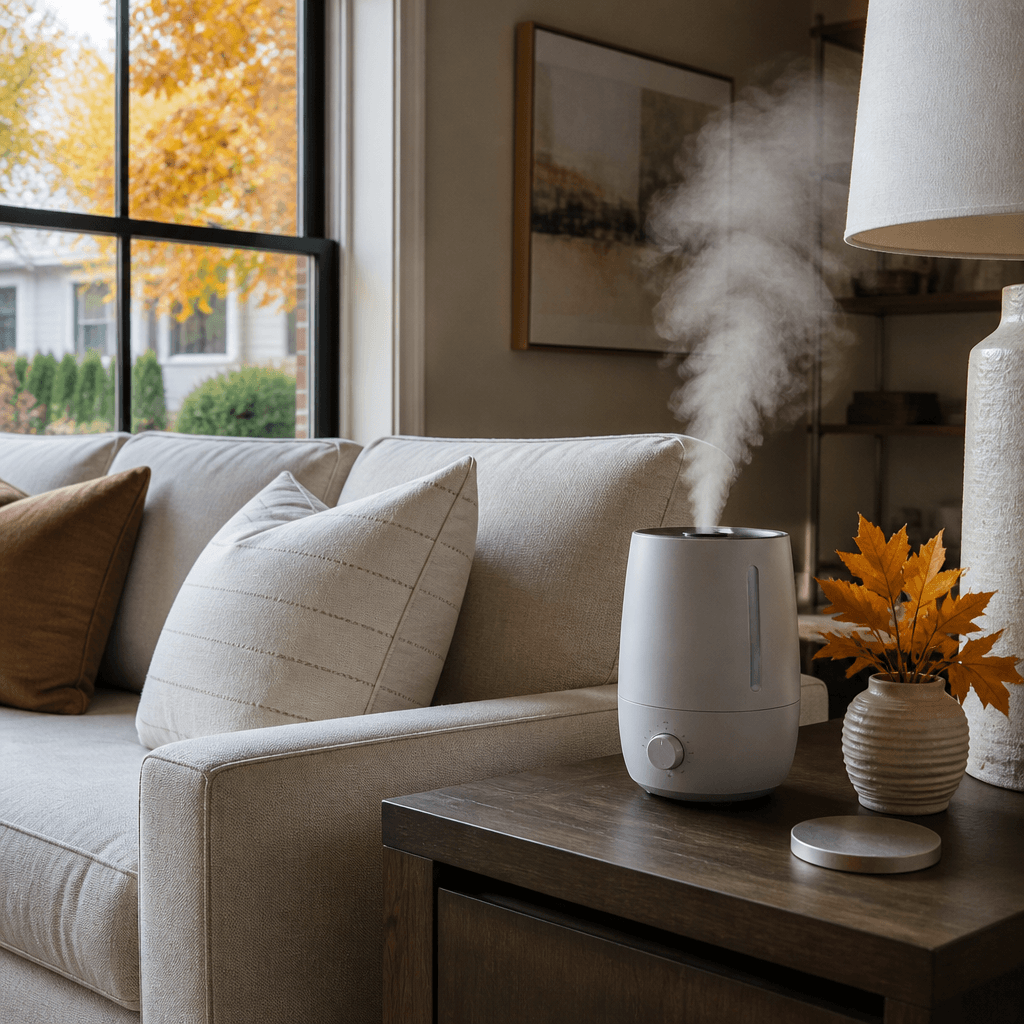
• An air purifier for allergies can help reduce dust, pollen, and pet dander in the air, especially in rooms where you spend the most time.
• Clean filters, better airflow, and lower indoor moisture all play a big role in making allergy relief last longer.
• Simple daily habits, like vacuuming, sealing gaps, and focusing on the bedroom first, can make your home feel easier to breathe in.
Why Allergy Season Feels Worse Indoors
Fall in Huntington Beach can still bring warm days, dry air, and a steady flow of outdoor particles into our homes. When that happens, symptoms like sneezing, itchy eyes, and a scratchy throat can start showing up even when we think we are safe inside. If our indoor air is not being cleaned well, air purifier for allergies can become an important part of keeping daily life more comfortable.
The problem often gets worse because allergens do not stay in one place. Dust, pet dander, and pollen can move through rooms, settle on surfaces, and keep cycling through the air we breathe. That is why many homes benefit from a plan that supports cleaner air, including help from our air quality services when the air feels heavy or irritating.
We also know that allergy trouble can build up slowly, so it is easy to ignore until it starts affecting sleep and focus. A home should feel like relief, not a place where symptoms follow us from room to room. The sooner we pay attention to the air inside, the easier it is to reduce the triggers that keep making fall days feel longer than they should.
How Cleaner Air Supports Allergy Relief
An air purifier for allergies works best when it is matched to the size of the room and placed where people spend the most time. Models with HEPA-style filtration are known for trapping tiny particles that can linger in the air, including common allergy triggers. We also need to keep filters clean and replace them on schedule so the unit keeps doing its job.
Air purifiers are helpful, but they work even better when paired with clean ducts, regular dust control, and good airflow. When air keeps moving through dirty spaces, allergens can keep coming back no matter how often we clean the floors. That is why a full indoor air plan matters, and services like duct cleaning and sealing can support cleaner breathing throughout the home.
It also helps to think about moisture, pets, and open windows during allergy season. Too much humidity can let dust mites and mold grow faster, while too little can make irritation feel worse. Small changes in how we manage our home air can make a real difference in how often allergy symptoms show up.
Tips From The Pros
🌬️ Tip 1: Pick the right room size
Choose an air purifier that fits the space where it will be used most often. A unit that is too small will not clean the air fast enough, especially in busy rooms like bedrooms and living rooms.
🧼 Tip 2: Keep the filter on schedule
Filters collect dust, pollen, and other particles over time, so they need regular care. If a filter gets clogged, the purifier has to work harder and may clean the air less well.
📍 Tip 3: Put it where you breathe most
Place the purifier near the bed, desk, or main seating area for the best daily benefit. Air cleaning works best when the machine can process the air where you spend the most time.
🚪 Tip 4: Close up extra openings
Open windows and worn door seals can let more outdoor allergens drift inside. Keeping the home better sealed can help your purifier handle less dust and pollen at once.
🧽 Tip 5: Reduce dust before it spreads
Regular dusting and vacuuming can lower the amount of debris that gets pulled into the air. This gives your purifier less work to do and can help reduce irritation faster.
🐾 Tip 6: Watch pet dander carefully
If you have pets, their hair and skin flakes can build up quickly in the home. An air purifier for allergies can help, but it works best when combined with frequent cleaning of pet bedding and shared spaces.
💧 Tip 7: Keep indoor moisture balanced
Too much moisture can create a good environment for mold and dust mites, both of which can trigger allergies. A balanced indoor humidity level helps your air stay more comfortable and easier to breathe.
🛏️ Tip 8: Focus on the bedroom first
The bedroom is often the best place to start because it is where we spend hours breathing the same air. Cleaner air at night can support better rest and fewer morning allergy symptoms.
Frequently Asked Questions
What does an air purifier do for allergies?
An air purifier for allergies helps remove airborne particles that can trigger sneezing, congestion, and itchy eyes. It can capture common irritants like dust, pollen, and pet dander before they keep circulating through the room.
What kind of filter works best for allergy relief?
A HEPA-style filter is often the best choice for allergy relief because it is designed to trap very small particles. This type of filter is widely used in homes where people want cleaner indoor air and fewer allergy triggers.
Where should I place an air purifier in my home?
Place it in the room where you spend the most time, especially the bedroom or living room. An air purifier for allergies works best when it can clean the air in the space where symptoms are most likely to bother you.
How often should I change the filter?
You should change the filter based on the maker’s schedule, which often depends on how often the unit runs and how dusty the home is. A clean filter helps the purifier keep removing allergens at a steady pace.
Can an air purifier replace cleaning my home?
No, an air purifier cannot replace regular cleaning. It works best as part of a larger plan that includes dust control, clean filters, and better indoor airflow.
Bring Cleaner Air Home This Fall
When allergy season lingers, the air inside our homes can matter just as much as what is outside. The right habits, the right setup, and the right air purifier for allergies can all work together to make daily life feel easier. In a place like Huntington Beach, paying attention to indoor air is a smart way to stay ahead of fall discomfort.
We believe small changes can lead to real relief when they are done the right way. If you want to stay connected with our team and see more helpful updates, follow us on social media.