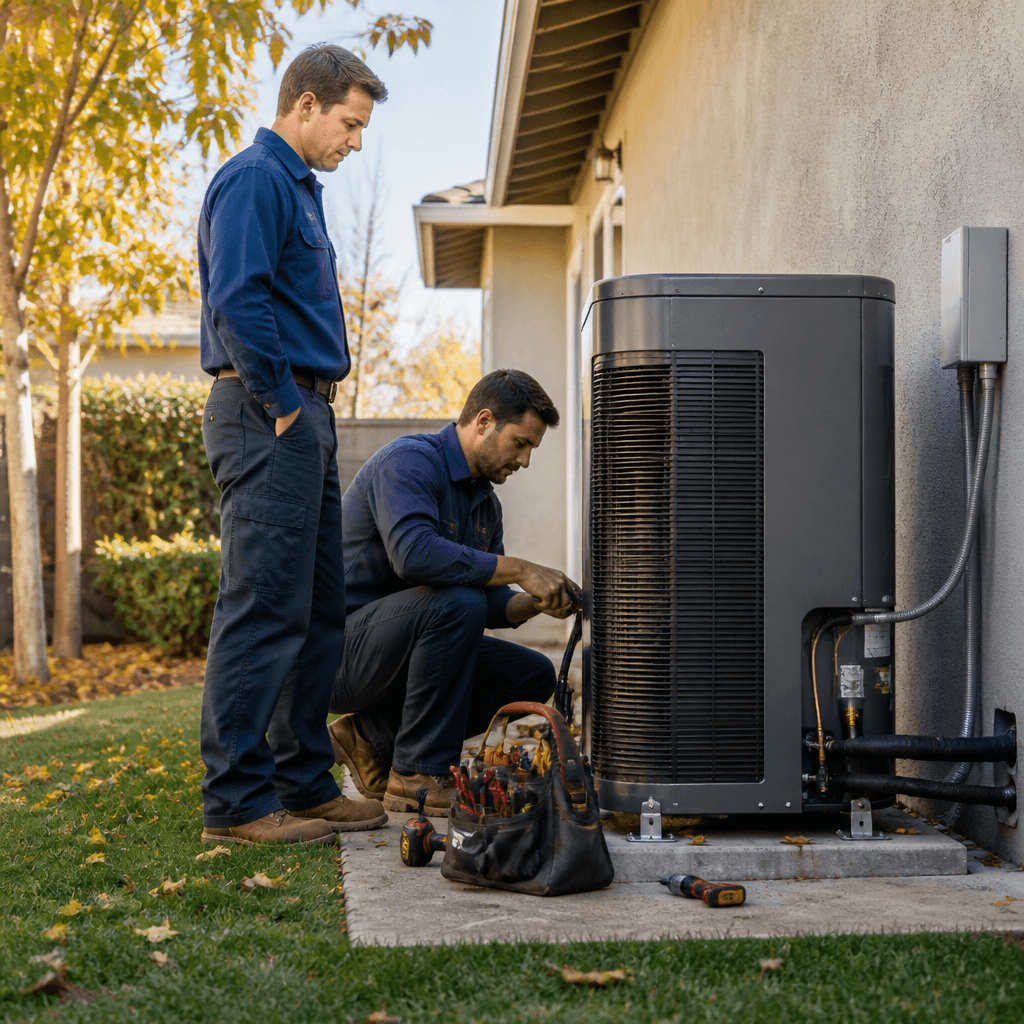
• Fall is a smart time to plan a heat pump installation in La Habra before colder nights and higher system strain arrive.
• A proper installation starts with sizing, electrical checks, removal of old equipment, and full system testing.
• Avoid DIY mistakes like poor sizing, weak thermostat setup, and skipping final testing to protect comfort and performance.
Why Fall Is the Right Time to Plan
November is a smart time to think about comfort before colder nights settle in. A heat pump installation can help keep a home steady when temperatures start to swing, and waiting too long can leave families dealing with uneven rooms or higher energy use. In La Habra, fall weather can shift fast, so planning early gives us more control over indoor comfort. If a system is already struggling, now is the time to act before the busiest heating days arrive.
Many homes notice the signs before a full breakdown happens. Rooms may feel warm in one area and cool in another, or the unit may run longer than it should just to keep up. That kind of strain can make daily comfort harder and may lead to bigger repair needs later. Our heat pump installation and repair services are built to help homeowners stay ahead of those problems.
A well-timed upgrade can make the home feel more balanced through the season. It can also help reduce the stress of last-minute heating decisions when the weather changes. For La Habra homeowners, fall is a practical season to get ready for the months ahead. When the goal is steady comfort, acting early often makes the whole process easier.
How We Approach the Installation
We start by looking at the home’s current setup and checking whether the existing system is the right fit for the space. A heat pump works by moving heat instead of creating it, so proper sizing and placement matter from the start. If the unit is too small or too large, comfort can suffer and energy use can rise. That is why careful planning matters before any work begins.
After that, we focus on the details that help the system run the way it should. This includes making sure airflow, electrical needs, and thermostat settings all match the new equipment. We also look at insulation and other home factors that can affect performance during fall and winter. When the pieces work together, the system has a better chance of delivering steady results.
Step-by-Step Heat Pump Installation Guide
📝 Step 1: Review the Home’s Heating Needs
We begin by checking how the home is used and where comfort problems show up most often. This helps us understand what size and type of system will fit the space best.
📏 Step 2: Measure the Space Correctly
Accurate measurements help prevent undersized or oversized equipment. A heat pump installation works best when the unit matches the home’s layout and heating needs.
🔌 Step 3: Check Electrical Requirements
Heat pumps need the right electrical setup to run safely and reliably. We confirm that the system can support the new equipment before moving forward.
🛠️ Step 4: Remove the Old Equipment
If a current unit is being replaced, it must be taken out carefully. This clears the way for the new system and helps avoid damage to nearby parts of the home.
🏠 Step 5: Prepare the Mounting Area
The indoor and outdoor units need stable, clean placement areas. Good preparation supports airflow, drainage, and long-term performance.
⚙️ Step 6: Install the New Heat Pump
The equipment is set in place and connected according to the system design. Proper installation is important because even small mistakes can affect comfort and efficiency.
🌡️ Step 7: Set Up the Thermostat
The thermostat must communicate correctly with the new system. This step helps the home reach the right temperature without overworking the equipment.
✅ Step 8: Test the Full System
We run the system through heating and cooling cycles to check for smooth operation. Testing helps confirm that the installation is ready for daily use.
Common DIY Mistakes to Avoid
Trying to handle a heat pump project alone can lead to missed steps and avoidable problems. Many homeowners start with good intentions, but the process has electrical, sizing, and airflow details that are easy to overlook. Knowing the most common mistakes can help prevent damage and wasted time.
- ⚠️ Mistake 1: Choosing the Wrong System Size
This happens when the unit is picked without a proper load check. It can lead to poor comfort, short cycling, or a system that never seems to keep up. To prevent this, the home’s size and layout should be reviewed before any equipment is selected. - ⚠️ Mistake 2: Ignoring Electrical Needs
Some people assume the existing wiring will work for the new unit. That can create safety issues or cause the system to fail when it starts up. The best way to prevent this is to confirm electrical compatibility before installation begins. - ⚠️ Mistake 3: Skipping Removal Prep
Rushing into new equipment without clearing the old unit or checking the area can create problems later. This often happens because homeowners want to save time, but it can leave the site unsafe or unstable. Careful prep helps the new system fit and function the right way. - ⚠️ Mistake 4: Poor Thermostat Setup
A new system may not work well if the thermostat is not matched or programmed correctly. This mistake usually comes from assuming the old settings will still be fine. To avoid it, the control setup should be checked as part of the installation process. - ⚠️ Mistake 5: Not Testing the System Fully
Some DIY jobs stop once the unit powers on, but that is not enough. This can hide airflow problems, weak heating, or connection issues that show up later. A full test run helps catch problems before the home depends on the system every day.
Frequently Asked Questions
How long does a heat pump installation usually take?
Yes, most heat pump installation projects can be completed in a single day, but some homes need more time. The total timeline depends on the condition of the existing system, electrical setup, and any prep work needed before the new unit is installed.
Is a heat pump a good choice for La Habra homes?
Yes, a heat pump can be a strong fit for La Habra homes because it supports both heating and cooling in one system. It works especially well when homeowners want steady indoor comfort during mild fall weather and cooler nights.
What are the signs that I may need a new heat pump?
Yes, uneven temperatures, longer run times, and rising energy use can all point to a failing system. If repairs keep showing up and the unit still struggles, a new heat pump installation may be the better long-term answer.
Do heat pumps work well in cooler weather?
Yes, modern heat pumps are built to handle cool conditions and keep homes comfortable through fall and winter. They move heat efficiently, which makes them a practical option for many homes in Southern California.
Why should I have a professional handle the installation?
Yes, professional installation helps make sure the system is sized, connected, and tested the right way. A heat pump installation involves electrical work, airflow checks, and control setup, so trained help reduces the risk of costly mistakes.
Wrapping Up Your Next Step
A heat pump can be a smart way to keep your home comfortable as the season changes in La Habra. When the installation is planned carefully, the system has a better chance of running smoothly and supporting your home the way it should. Acting before the coldest nights arrive can help you avoid last-minute stress and keep your comfort on track.
We believe the best results come from careful planning, proper setup, and full system testing. If you are thinking about a heat pump installation, now is a good time to take the next step and get your home ready for the months ahead. For more updates and helpful home comfort tips, follow us on social media.