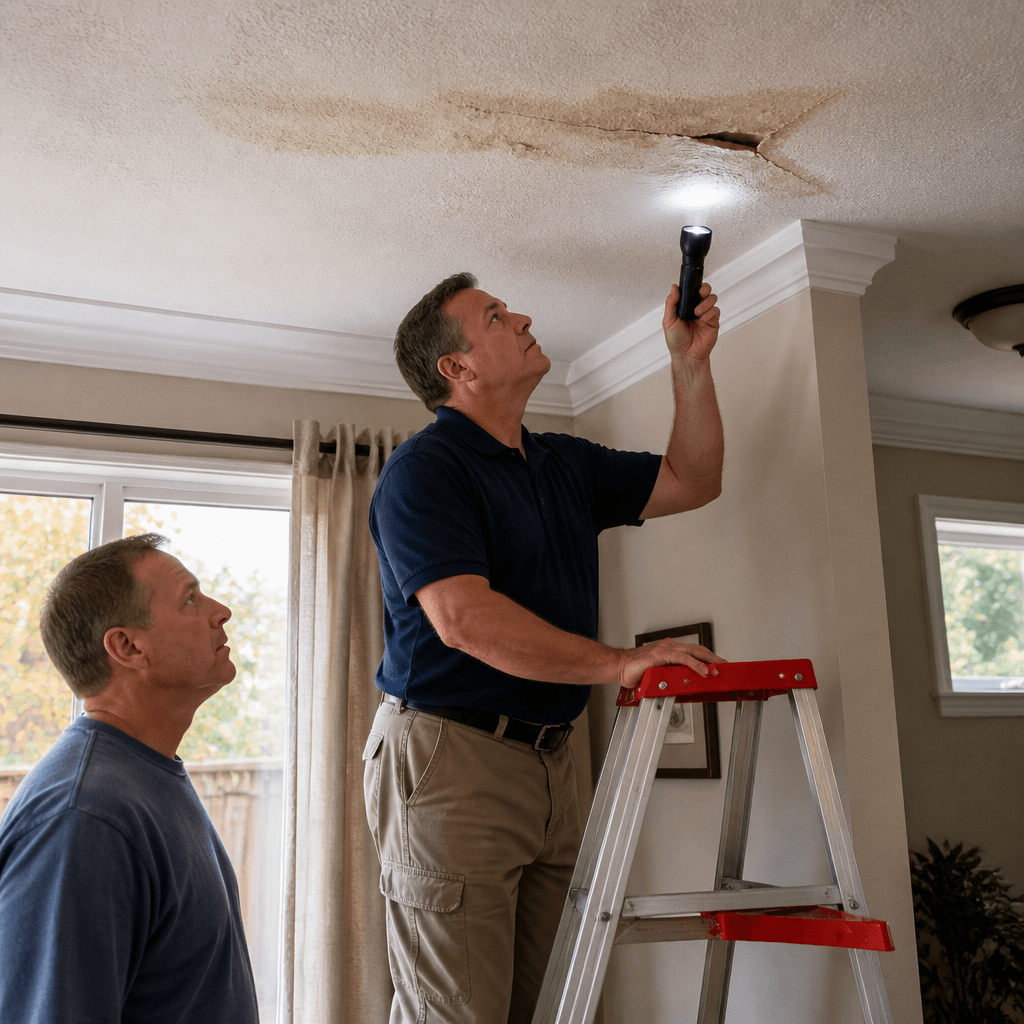
• Ceiling water damage often starts with a hidden leak, so fast action matters before stains, soft drywall, or mold spread farther.
• The best ceiling water damage repair plan begins with finding the source, drying the area, and checking for hidden damage around the stain.
• Simple warning signs like peeling paint, musty odors, and sagging spots can help you spot trouble early and protect your home.
Why Ceiling Stains Need Fast Action
When water spots show up on a ceiling, the damage can spread faster than most people expect. A small stain can turn into sagging drywall, peeling paint, and hidden mold if the source is not handled right away. In Laguna Niguel, fall weather can bring more moisture into the home, which makes quick action even more important. If you need help right away, our pipe inspection and leak detection service can help track down the source before it gets worse.
A damp ceiling is often a sign that water is moving through areas you cannot see. That can mean a leak from plumbing, a roof issue, or even condensation that keeps building up over time. Once moisture gets trapped inside building materials, repairs can take more time and cost more than a simple fix. Acting early can save your ceiling, your walls, and your peace of mind.
The longer a leak stays active, the more likely it is that the damage will spread beyond the visible stain. That is why ceiling water damage repair should never be pushed off for later. We know how stressful it feels to deal with a wet ceiling, especially when you are trying to keep your home safe and comfortable. The good news is that the right steps can help limit the damage and get your space back on track.
What We Look For First
The first step in ceiling water damage repair is finding where the water is coming from. A stain on the ceiling does not always mean the leak is directly above it, since water can travel along wood, pipes, and other hidden spaces. That is why a careful inspection matters before any patching begins. Fixing the surface alone will not solve the problem if the source is still active.
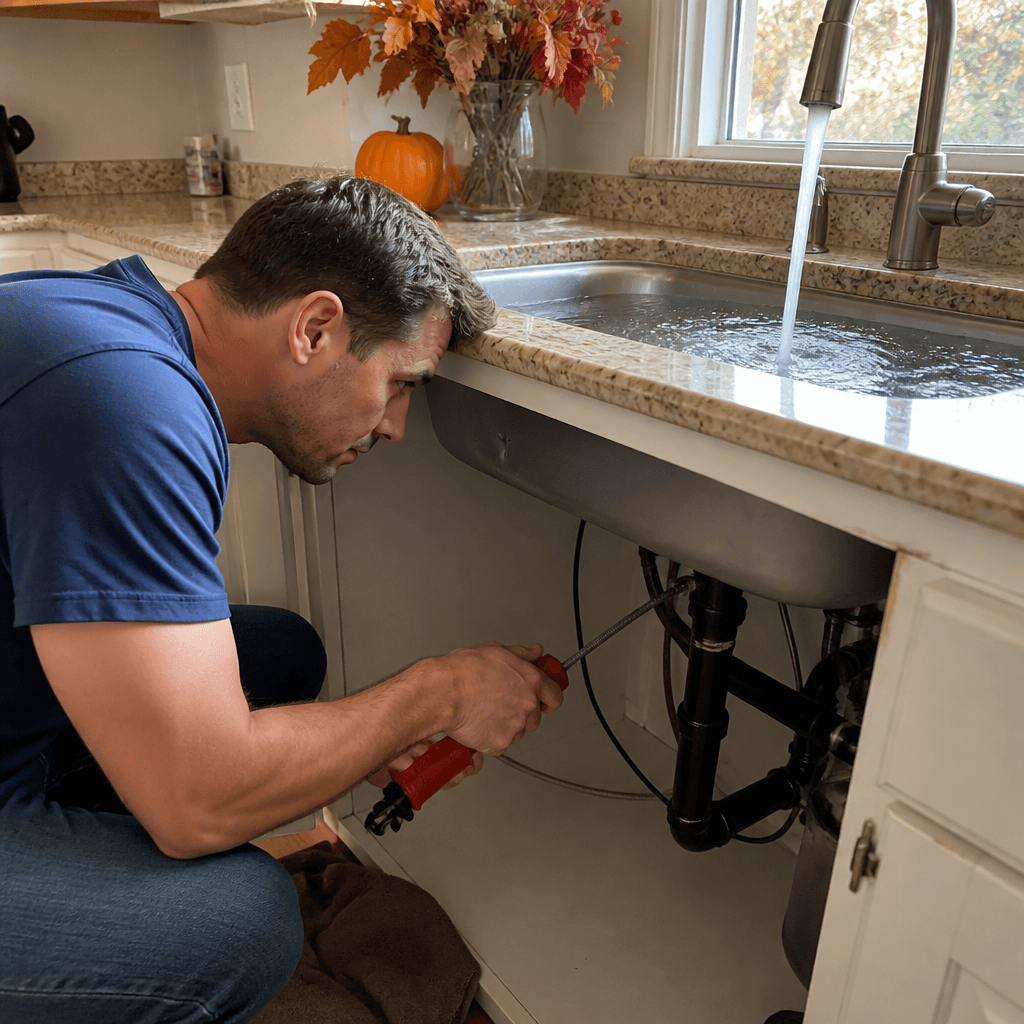
We also look for signs that point to ongoing moisture, such as soft spots, bubbling paint, or a musty smell. These clues often tell us that the damage has been building for a while, even if the ceiling still looks solid from a distance. In many cases, the affected area needs to be dried out fully before repairs can hold up. For homes with plumbing-related leaks, our drainage and water damage service can help address the issue with care.
Another important part of the process is checking nearby materials for hidden damage. Insulation, framing, and drywall can all hold moisture and weaken over time. When those materials are not inspected, the repair may only last for a short time. A smart repair plan starts with the full picture, not just the stain you can see.
Tips from the Pros
🔎 Tip 1: Check the stain shape
A ceiling stain can tell you a lot about the leak source. Round spots often mean slow dripping, while wider stains can point to water spreading over time.
🛠️ Tip 2: Stop the leak before patching
Repairing the ceiling first is not the right move if water is still getting in. We always recommend stopping the source before any drywall or paint work starts.
🌫️ Tip 3: Watch for musty odors
A damp or earthy smell can mean moisture is trapped above the ceiling. That smell often shows up before mold becomes visible.
📋 Tip 4: Look for soft drywall
If the ceiling feels soft or looks swollen, water may have soaked deep into the material. That area usually needs more than a quick cosmetic fix.
💧 Tip 5: Dry the area fully
Moisture left behind can keep damage going even after the leak slows down. Drying the space fully helps protect the ceiling from future problems.
🧱 Tip 6: Inspect nearby rooms
A leak can start in one room and show up in another. Checking the rooms above and around the stain can help narrow down the source faster.
🌧️ Tip 7: Pay attention after rain
If the stain gets worse after stormy weather, the problem may be tied to outside water entry. That pattern can help point to the right repair plan.
⚠️ Tip 8: Do not ignore peeling paint
Paint that bubbles or peels is often a sign of trapped moisture. Once that starts, the damage is usually already active inside the ceiling.
Frequently Asked Questions
What causes ceiling water damage?
Yes, ceiling water damage usually comes from a leak above the damaged area. Common causes include plumbing leaks, roof problems, and condensation that collects over time.
How do I know if I need ceiling water damage repair?
Yes, you likely need ceiling water damage repair if you see stains, bubbling paint, soft drywall, or a musty smell. These signs often mean water is still affecting the ceiling or has damaged it already.
Can a small water stain on the ceiling be ignored?
No, even a small stain should be checked right away. A small mark can be the first sign of a larger leak that keeps getting worse behind the surface.
Is ceiling water damage repair urgent in fall weather?
Yes, ceiling water damage repair can be urgent during fall because cooler, wetter conditions can make moisture problems linger. In Laguna Niguel, that extra moisture can make it easier for hidden damage to spread.
How long does ceiling water damage repair take?
It depends on how far the damage has spread and whether the leak is still active. Simple repairs may move quickly, while larger damage can take more time because the area must be dried and checked first.
Wrapping Up Ceiling Damage Repairs
When ceiling damage shows up, the safest move is to act fast and get the source checked right away. A visible stain is often only part of the problem, and hidden moisture can keep causing trouble if it is left alone. With the right attention, ceiling water damage repair can protect both the look and structure of your home.
We understand how stressful home water issues can feel, especially when they show up without warning. That is why we focus on quick, careful solutions that help prevent bigger problems later. For more updates and home care tips, follow us on social media.