• Learn the key differences between mini split and ductless AC systems so you can choose the right cooling setup faster.
• See how Anaheim’s summer heat affects your comfort needs and why the right system matters for specific rooms and home layouts.
• Follow a simple step-by-step guide, avoid common mistakes, and get clear answers to the most common questions before you decide.
Mini Split vs Ductless AC: What Anaheim Homeowners Should Know
When July heat settles over Anaheim, indoor comfort can slip fast if your cooling system is not the right fit. Many homeowners start comparing options only after rooms feel uneven, noisy, or hard to cool. If that sounds familiar, now is the time to look closely at mini split vs ductless AC compared before another hot week pushes your system harder.
The choice matters because the right setup can make daily life feel easier, while the wrong one can leave some rooms too warm and others too cold. We often help homeowners sort through this at our ductless mini split installation service when they want a better way to cool specific spaces. In a warm place like Anaheim, delaying the decision can mean more discomfort and higher energy use during the peak of summer.
Both systems are built to cool without the need for bulky ductwork, but they are not always the same in how they serve a home. A mini split is usually a type of ductless system, which is why the names get mixed up so often. Knowing the difference helps you make a smarter choice for your home, your budget, and your comfort needs.
How These Cooling Systems Really Compare
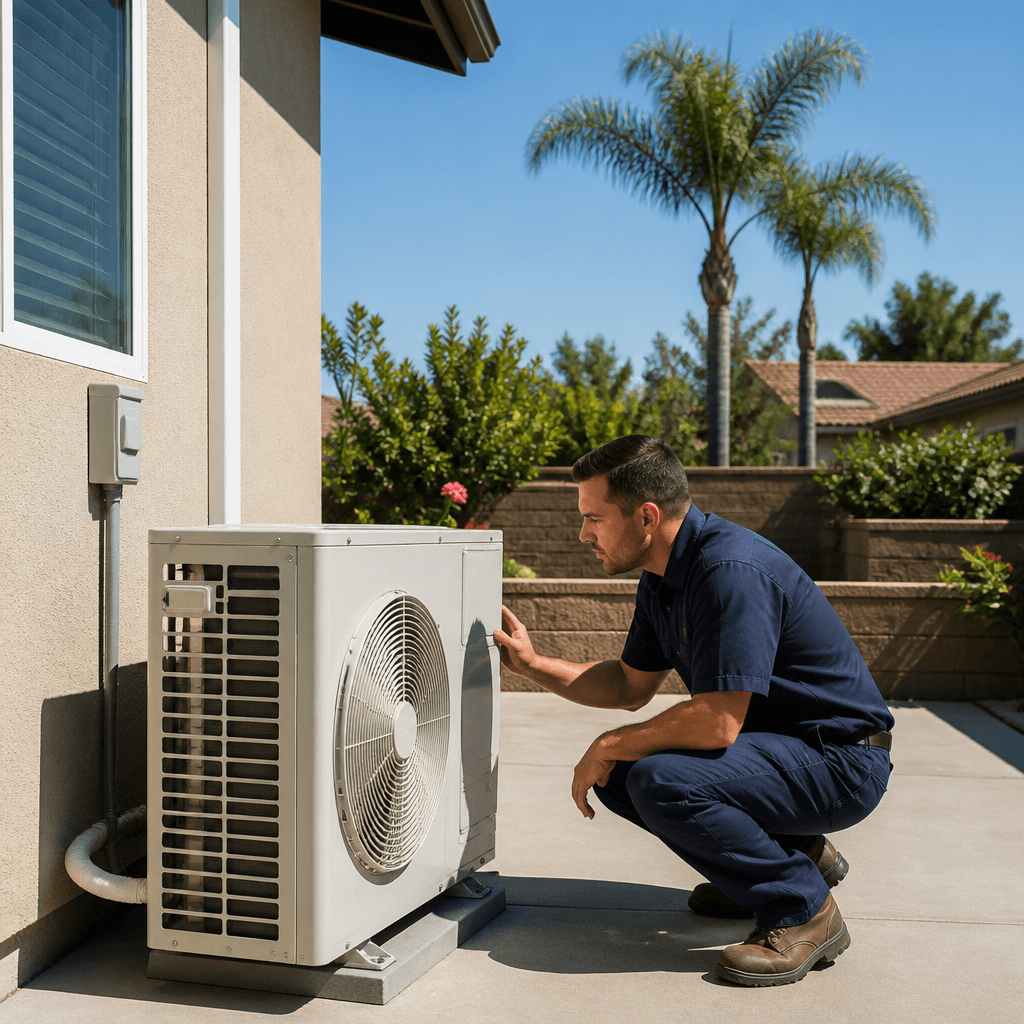
A ductless system uses an outdoor unit connected to one or more indoor air handlers, which lets us cool separate areas without ducts. A mini split usually refers to a single-zone or multi-zone version of that same setup, and it can be a good match for homes with problem rooms or added spaces. The main thing to remember is that mini split vs ductless AC compared is often a question of features, zones, and layout rather than two totally different cooling ideas.
We look at how many rooms need cooling, how much control the homeowner wants, and how the home is built before recommending a path. Ductless systems can work well for older homes, room additions, and spaces where adding ducts would be difficult or costly. When the system fits the home, it can cool more evenly and give people better control over comfort in each area.
Step-by-Step Guide to Choosing the Right Option
📋 Step 1: Check Which Rooms Need Cooling
Start by listing the rooms that feel too warm or never cool down the way you want. This helps us see whether you need one indoor unit or several zones that can run on their own.
🏠 Step 2: Look at Your Home’s Layout
Homes with no ducts, additions, or closed-off rooms often do better with ductless equipment. The layout matters because airflow needs to reach the right spaces without wasting energy on rooms that do not need much cooling.
🌡️ Step 3: Compare Comfort Needs by Area
Think about which rooms need the most control, such as bedrooms, home offices, or living spaces. Zoned cooling can make a big difference when different rooms get used at different times of day.
🔍 Step 4: Review System Size and Capacity
A system that is too small may struggle, while one that is too large can cycle on and off too often. Proper sizing helps the unit cool steadily and keeps the home more comfortable in summer weather.
💡 Step 5: Check Energy Use Goals
If lower energy use matters to you, compare how much power each setup may use for your home’s needs. Ductless systems can help reduce wasted cooling when they are matched to the right spaces.
🔧 Step 6: Consider Installation Conditions
Some homes are easier to set up than others, especially if walls, ceiling access, or electrical needs must be planned. Good installation planning helps avoid delays and supports better long-term performance.
🧼 Step 7: Plan for Ongoing Care
Filters, indoor units, and outdoor equipment all need regular attention to keep working well. Simple upkeep helps the system stay clean and keeps airflow moving the way it should.
📞 Step 8: Ask for a Professional Evaluation
A trained technician can help confirm which option fits your home best and explain the differences in plain language. This step is important because the right answer depends on your home, not just the product name.
Common Mistakes to Avoid
Homeowners often want a quick answer, but cooling choices work best when they are based on real room needs and home layout. The wrong move can lead to uneven comfort, wasted energy, or a system that does not match the space. These mistakes are easy to make during a DIY search, especially when the terms sound similar.
⚠️ Mistake 1: Thinking All Ductless Systems Are the Same
This happens when people assume every ductless setup works the same way. It usually comes from seeing the terms used together online and not realizing the setup can vary by zones and control style. To prevent this, compare the number of indoor units, the rooms they serve, and the comfort goals for your home.
⚠️ Mistake 2: Ignoring Room Size and Layout
Some people choose a system before checking how much space it must cool. This mistake happens because the equipment may look similar from the outside, even though the needs inside the home are different. The best way to avoid it is to match the system to the actual square footage and room use.
⚠️ Mistake 3: Overlooking Hot Spots and Uneven Rooms
A room that gets more sun or stays warmer than the rest of the home needs special attention. People often skip this step because they focus on the whole house instead of the problem areas. Prevent this by making a room-by-room list before deciding on a unit.
⚠️ Mistake 4: Choosing Based on Price Alone
A lower upfront cost can look attractive, but it may not fit the home well in the long run. This usually happens when people compare equipment costs and ignore comfort, efficiency, and installation needs. To avoid this, weigh the full value of the system, not just the starting price.
⚠️ Mistake 5: Skipping Professional Input
It is common to guess at the right setup after reading a few product pages. That happens because the differences between systems are easy to misunderstand without hands-on experience. The safer choice is to get an expert review before making a final decision.
Frequently Asked Questions
Is a mini split the same as a ductless AC?
Yes, a mini split is a type of ductless AC system. The term usually refers to a ductless setup with one outdoor unit and one or more indoor units that cool specific areas.
Which is better for Anaheim homes, mini split or ductless AC?
It depends on the home’s layout and cooling needs. For many Anaheim homes, a ductless setup works well because it can cool hot rooms without using ducts.
Can mini split vs ductless AC compared help me save energy?
Yes, comparing mini split vs ductless AC compared can help you choose a system that fits your space and avoids wasted cooling. The right match can improve comfort while keeping energy use more controlled.
Do ductless systems work well in older homes?
Yes, ductless systems are often a strong fit for older homes. They are useful when adding ductwork would be difficult or when certain rooms need better cooling.
How do I know which system my home needs?
You know by looking at room size, layout, comfort problems, and how many areas need cooling. A professional evaluation makes the choice clearer because it ties the system to the home instead of guessing.
Final Thoughts on Choosing the Right Cooling System
Choosing between these cooling options comes down to how your home is built, which rooms need help, and how much control you want over comfort. In Anaheim’s summer heat, making that choice carefully can prevent a lot of frustration later. When you understand the differences, you can move forward with more confidence and less guesswork.
We believe the best decision starts with the home itself, not just the name of the equipment. If you want to stay connected and keep up with our latest updates, follow us on social media.