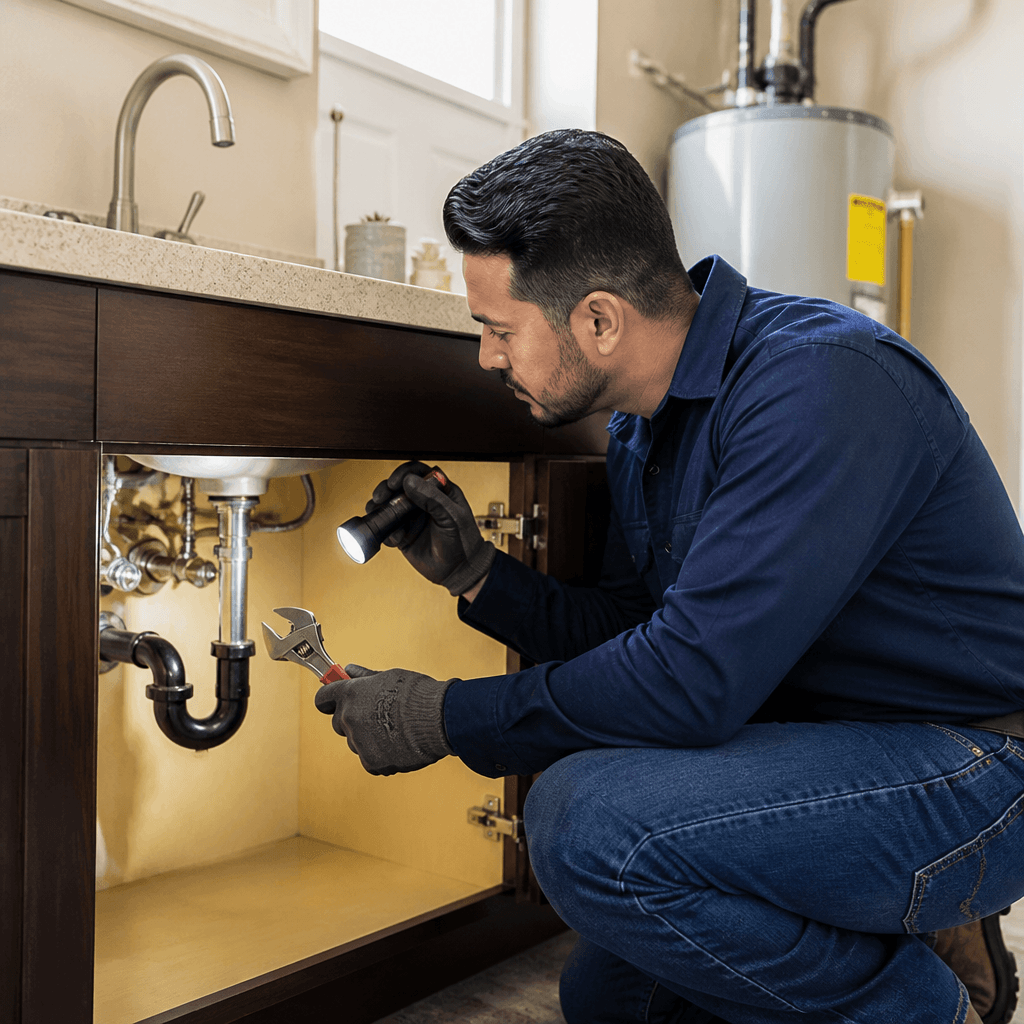
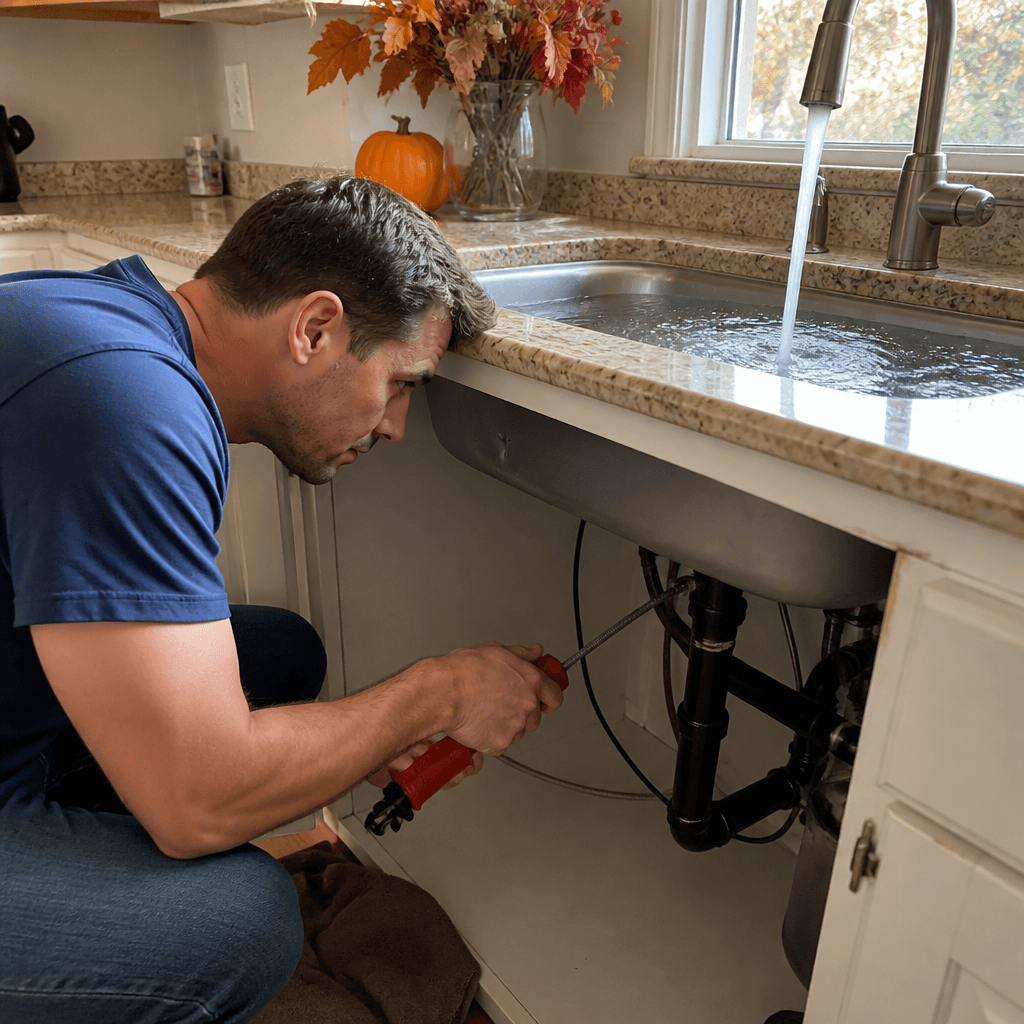
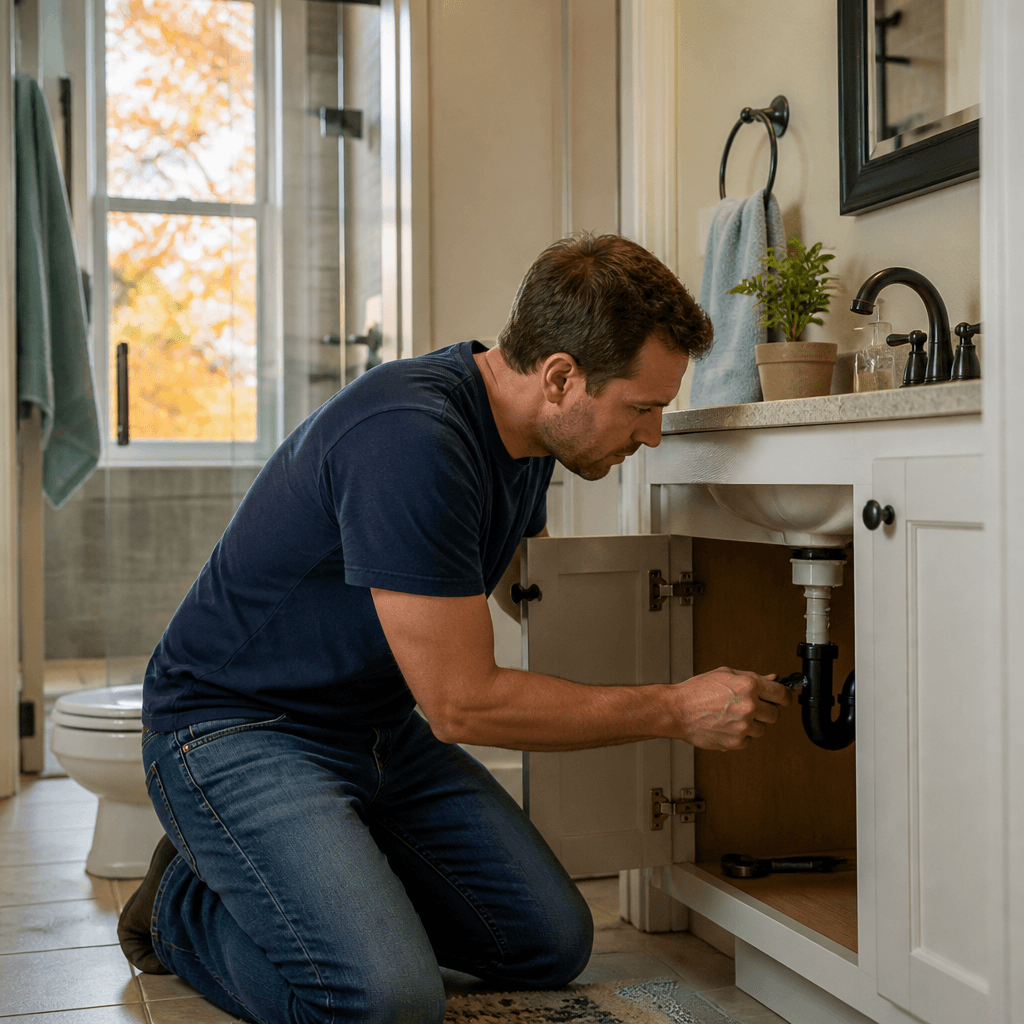
• Check for Small Plumbing Issues Early: A plumbing inspection before fall season helps catch leaks, slow drains, worn valves, and pipe damage before they turn into bigger problems.
• Focus on the Water Heater and Hidden Areas: A seasonal check should include the water heater, exposed pipes, shut-off valves, and spots under sinks or in utility areas where damage can be easy to miss.
• Use a Step-by-Step Approach: Testing fixtures, looking for visible warning signs, clearing minor buildup, and calling a professional for anything unclear can help keep the home ready for the season ahead.
Why We Check Before Fall Arrives
Summer heat can hide small plumbing problems that turn into bigger issues once the weather shifts. That is why a plumbing inspection before fall season matters for homes in Midway City, where changing use patterns can put extra stress on pipes and drains. A quick check now can help us catch trouble before it shows up as leaks, clogs, or weak water flow.
As schedules get busier, it is easy to overlook the signs that something is off in the plumbing system. Slow drains, dripping fixtures, and odd noises are all clues that should not wait. When we act early, we have a better chance of avoiding damage that spreads behind walls or under floors.
Our team at our plumbing services page knows that small issues often grow when they are left alone. A seasonal inspection helps us spot worn parts, loose connections, and hidden buildup before cooler weather makes the problem harder to ignore. That is the kind of simple step that can save time, stress, and repair costs later.
What We Look For During Service
A good plumbing check starts with the areas most likely to show wear after months of use. We inspect visible pipes, shut-off valves, drains, faucets, and fixtures for leaks, corrosion, and reduced performance. We also pay close attention to the water heater, since it often works harder and can show signs of sediment buildup or age.
If we find weak spots, we can address them before they affect the rest of the system. For homeowners thinking about a plumbing inspection before fall season, this is a smart way to keep water moving the way it should. It also gives us a clear picture of what needs repair now and what can be watched over time.
Step-by-Step Guide
🔍 Step 1: Check the Most Used Fixtures
Start by looking at faucets, toilets, and sinks for drips, slow drainage, or strange sounds. These are often the first places where small plumbing issues show up, and early notice helps prevent bigger problems later.
📋 Step 2: Look for Visible Pipe Damage
Inspect exposed pipes under sinks, in garages, and near the water heater for rust, damp spots, or loose joints. Visible wear often means the system needs attention before cooler weather adds more pressure.
🚰 Step 3: Test Water Flow and Drain Speed
Run water in several rooms and see how fast it drains. Weak flow or slow draining can point to buildup, a partial clog, or a hidden problem in the line.
🔥 Step 4: Review the Water Heater
Check for leaks around the base, unusual noises, or signs of mineral buildup. Water heaters can lose efficiency over time, and simple warning signs often appear before a full breakdown.
🧼 Step 5: Clear Minor Drain Buildup
Remove light buildup from sink strainers and clean around drain openings. This helps reduce the chance of clogs and keeps water moving freely through the system.
🔧 Step 6: Check Shut-Off Valves
Turn valves gently to make sure they still move and are not stuck. Working shut-off valves matter because they help stop water quickly if a leak starts.
📝 Step 7: Watch for Hidden Warning Signs
Look for musty smells, stains on walls or ceilings, and spots where flooring feels soft. These clues can point to leaks that are not easy to see right away.
📞 Step 8: Schedule a Professional Inspection
Have a licensed plumber review anything that seems off or hard to access. A trained eye can confirm problems early and help keep the system ready for the season ahead.
Mistakes People Make During DIY Checks
A DIY plumbing check can be helpful, but it is easy to miss important details. Many problems start small and hide in places that are hard to see without the right tools or experience. These mistakes often lead to bigger repairs because the warning signs were not handled early enough.
The good news is that most of these issues can be avoided with a careful, step-by-step approach. When we know what to look for, we can make better decisions and avoid creating new problems. Here are the most common mistakes to watch for.
⚠️ Mistake 1: Only Checking One Sink or Fixture
This happens when people assume one working fixture means the whole system is fine. In reality, plumbing problems can show up in different areas at different times, so a limited check can miss early warning signs. Prevent this by testing several fixtures and drains throughout the home.
❌ Mistake 2: Ignoring Small Drips
Small leaks are often brushed off because they do not seem urgent. That usually happens because the drip looks harmless, but even minor leaks can waste water and damage nearby materials over time. Prevent this by addressing any leak right away, no matter how small it seems.
🚫 Mistake 3: Forgetting the Water Heater
Many DIY checks focus on sinks and toilets while leaving the water heater out. This often happens because the unit is tucked away and easy to overlook, even though it can show early signs of trouble. Prevent this by checking for leaks, rust, and unusual sounds around the tank.
⚠️ Mistake 4: Skipping Hidden Areas
People often avoid crawl spaces, utility closets, or areas under cabinets because they are harder to reach. That creates blind spots where leaks and corrosion can go unnoticed. Prevent this by looking in every area where pipes or drains are exposed.
❌ Mistake 5: Waiting Until Fall Problems Start
Some homeowners wait until water flow changes or a leak appears before taking action. This happens because the system seems fine during warm weather, so there is no urgency. Prevent this by handling a plumbing inspection before fall season while the signs are still easy to fix.
Frequently Asked Questions
What is included in a seasonal plumbing inspection?
Yes, a seasonal plumbing inspection usually includes checking visible pipes, faucets, drains, shut-off valves, and the water heater. It is meant to catch leaks, buildup, corrosion, and other issues before they turn into larger repairs.
Why should we schedule a plumbing inspection before fall season?
Yes, a plumbing inspection before fall season helps catch hidden problems before weather changes and heavier indoor use create more stress on the system. It is a simple way to reduce the chance of leaks, clogs, and water damage.
How do we know if our plumbing needs attention?
Yes, signs like slow drains, dripping faucets, low water flow, stains, and strange noises often mean the system needs a closer look. These clues usually show up before a bigger failure, so they should not be ignored.
Can we do a plumbing inspection ourselves?
Yes, we can handle basic checks like looking for visible leaks and testing drains, but some issues are easy to miss. A licensed plumber can spot hidden problems and confirm whether a repair is needed.
How often should plumbing be inspected?
Yes, plumbing should be checked at least once a year, and a plumbing inspection before fall season is a smart time to do it. Regular inspections help keep small issues from turning into costly damage.
Keep Your Plumbing Ready
A seasonal check gives us a chance to catch problems while they are still easy to manage. It also helps protect the home from leaks, clogs, and other issues that can show up when the weather changes and daily use increases. For homeowners in Midway City, that kind of timing can make a real difference.
When we inspect early, we give the plumbing system a better chance to work the way it should through the next season. If something looks off, taking action now is usually simpler than waiting for damage to spread. For more updates and helpful tips, follow us on social media.