• Learn the main steps for how to flush a water heater and why this simple task helps reduce sediment buildup.
• Follow a clear checklist that shows when to shut off the unit, drain the tank, and refill it the right way.
• Get practical tips to avoid common mistakes, protect your system, and know when to call a pro.
Flush the Tank to Keep It Working Well
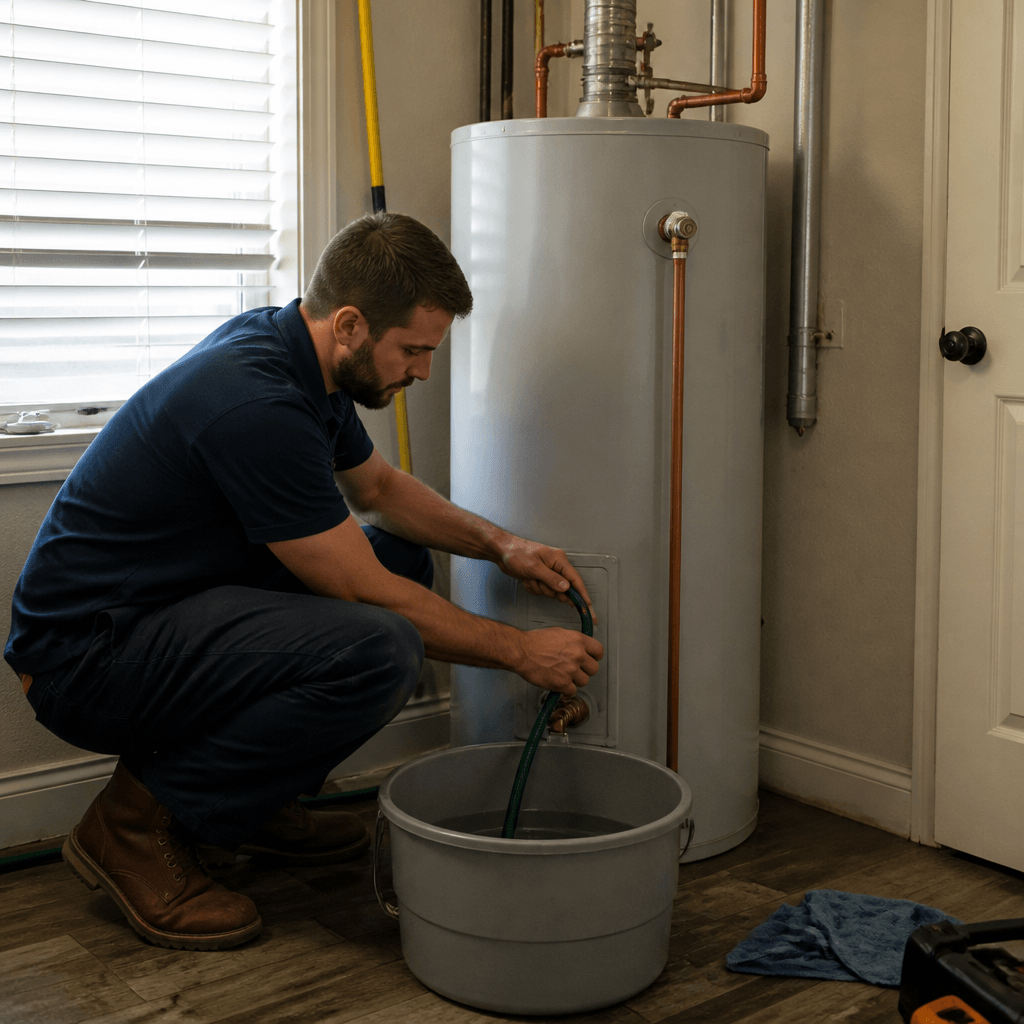
The main goal of how to flush a water heater is to clear out sediment before it causes noise, slow heating, or added wear. This simple step helps the system run more smoothly and can support better hot water flow during the cooler fall months in Laguna Beach.
When you stay ahead of buildup, your water heater has a better chance of lasting longer and working more evenly. If you need help with your system, our water heater repair and replacement services can be a smart place to start.
A clean tank also helps you catch small issues early, before they turn into bigger plumbing problems. That is why learning how to flush a water heater is a practical step for any homeowner who wants steady hot water at home.
Water Heater Flushing Checklist
Use this checklist to help keep your water heater in better shape and support steady hot water at home. A few careful steps can go a long way when you are learning how to flush a water heater.
- ✅ Turn off the water heater before starting
- ✅ Shut off the cold water supply
- ✅ Let the tank cool if needed
- ✅ Connect a hose to the drain valve
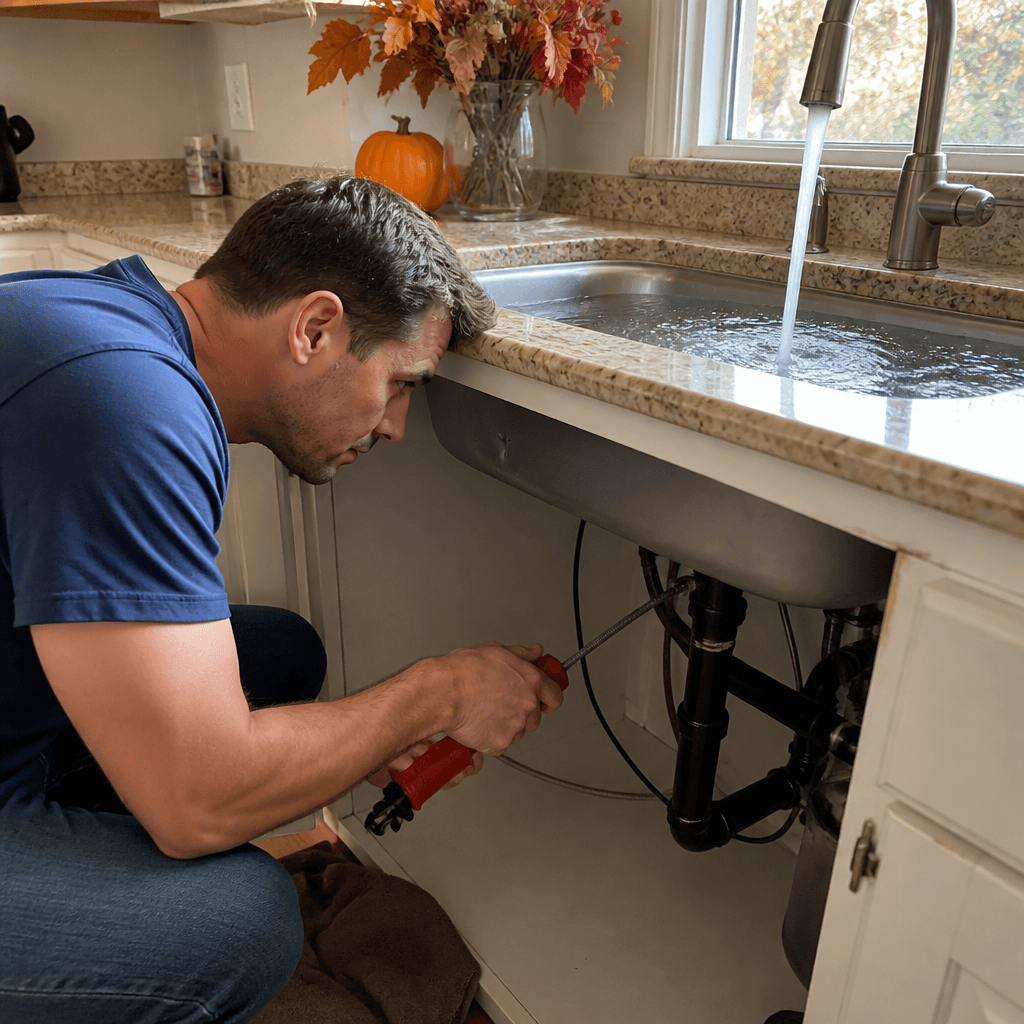
- ✅ Open a hot water faucet in the home
- ✅ Drain the tank fully
- ✅ Flush until the water runs clear
- ✅ Close the valve, refill the tank, and restart the unit
Taking your time matters because rushing the process can leave sediment behind or create avoidable problems. A clean flush helps the system work more evenly and may reduce odd sounds or slow heating.
If the water still looks dirty after draining or the unit is not heating well, it may be time to call a pro. For help with tank maintenance and repairs, you can rely on our plumbing services for support.
Additional Advice
When you are figuring out how to flush a water heater, it helps to plan the job during a time when you do not need hot water right away. Fall in Laguna Beach is a good season for this kind of home care because it gives you a chance to prepare before cooler weather puts more demand on your system.
One common mistake is opening the drain too fast, which can stir up sediment and make the water murky for longer. Another issue is skipping the refill step before turning the unit back on, which can damage the tank and shorten its life.
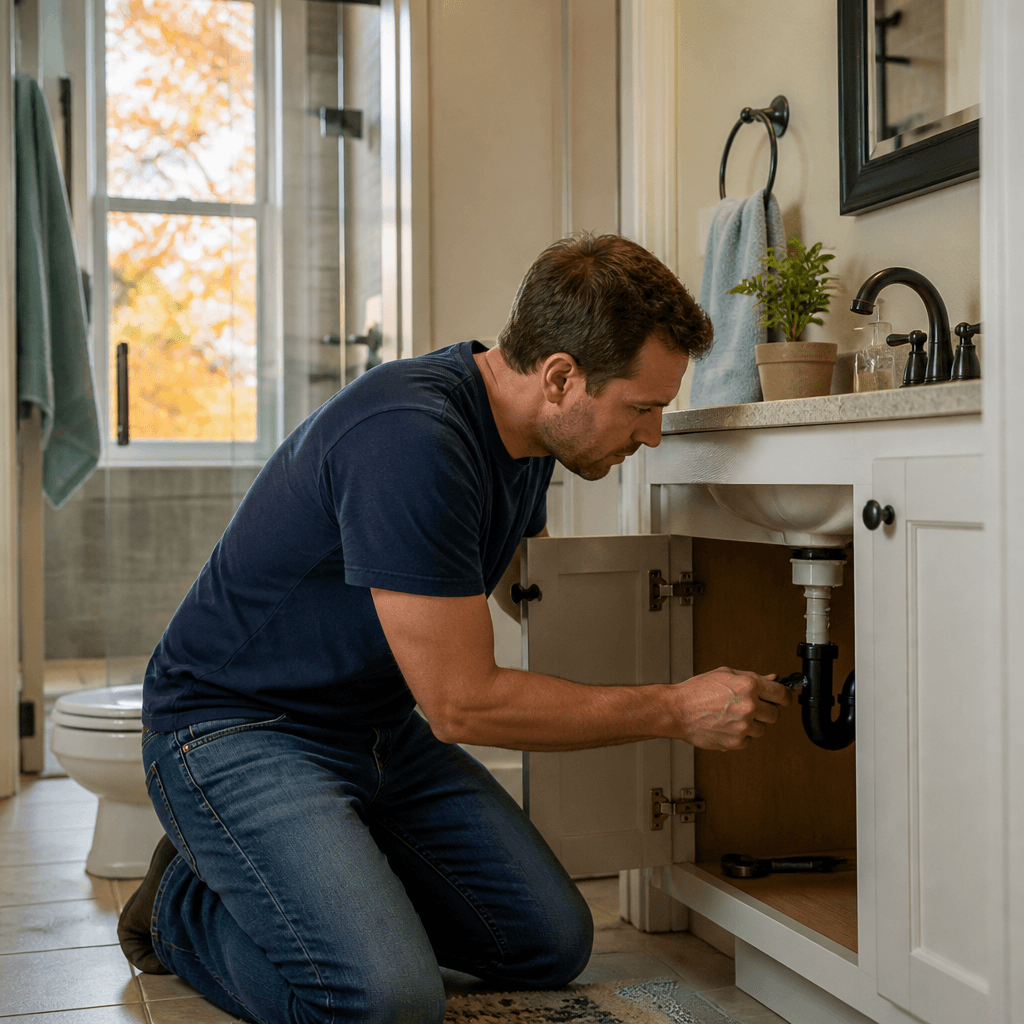
Safety should always come first, especially if the tank is older or has not been serviced in a while. If you notice leaks, rusty water, or weak heating after a flush, that may point to a deeper issue that needs professional attention from a licensed plumber.
Regular care can help your system stay dependable, but it is just as important to know when to stop and ask for help. If you want support with water heater service, a trained technician can check the unit and handle repairs the right way.
Frequently Asked Questions
How often should I flush a water heater?
Most homeowners should flush a water heater once a year. If your home has hard water, you may need to do it more often to help reduce sediment buildup.
What happens if I never flush my water heater?
Sediment can collect at the bottom of the tank and make the unit work harder. Over time, that can lead to noisy operation, slower heating, and a shorter lifespan.
Can I flush a water heater myself?
Yes, you can flush a water heater yourself if you follow the right steps and take basic safety precautions. If the tank is older, leaking, or not draining properly, a professional should handle it.
Why is the water cloudy after flushing?
Cloudy water often means loosened sediment is still moving through the tank. It usually clears as the tank refills and the remaining debris is flushed out.
Is flushing a water heater worth it?
Yes, flushing a water heater is worth it because it helps the system run more efficiently and may prevent avoidable wear. It is a simple maintenance step that can support better hot water performance over time.
Final Thoughts on Water Heater Care
Learning how to flush a water heater is a smart way to protect your home’s hot water supply and keep the system running more smoothly. With the right steps and timing, this simple task can help reduce buildup and catch small issues before they grow.
For many homeowners, regular maintenance is the easiest way to avoid surprise problems and stay ahead of costly repairs. If you want to stay connected with Dial One Sonshine and see more helpful updates, follow us on social media.