• Learn the main types of insulation and how each one affects comfort, energy use, and air control in your home.
• Use a simple checklist to compare insulation options, spot problem areas, and choose the right fit for your space.
• Get practical tips on common mistakes, smart upgrades, and when to ask a professional for help with insulation choices.
Choose the Right Insulation for Better Comfort
The goal of learning about types of insulation is to make your home more comfortable in every season while keeping energy use under control. In Long Beach, that means choosing materials that help block heat on warm fall days and hold steady indoor temperatures when evenings feel cooler.
Each option works a little differently, so the best choice depends on your home’s layout, age, and problem areas. If you want help matching the right material to your space, our insulation services can make the decision easier.
When you compare types of insulation, focus on how well each one helps manage comfort, air movement, and energy waste. The right fit can make a real difference in how your home feels and how hard your system has to work.

Checklist for Choosing the Right Insulation
Use this checklist to narrow down the types of insulation that fit your home and your comfort goals. A few simple checks can help you make a smarter choice before you start any project.
- ✅ Check how much heat enters your home during the day
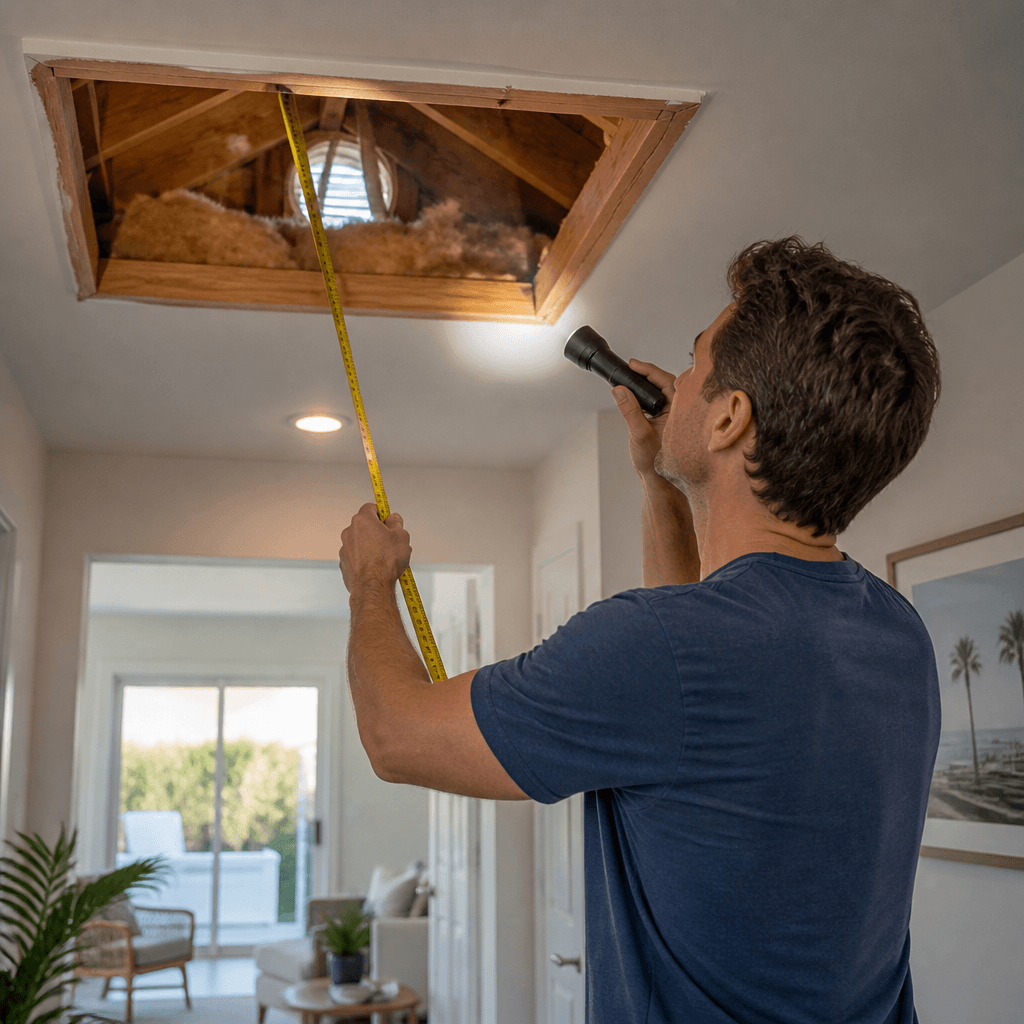
- ✅ Look at attic, wall, and crawl space problem areas
- ✅ Compare how each material handles air flow and temperature changes
- ✅ Think about moisture resistance in areas that need extra protection
- ✅ Match the material to your home’s age and layout
- ✅ Review how much energy your current setup may be wasting
- ✅ Plan for long-term comfort, not just short-term fixes
- ✅ Ask a professional which option fits your space best
Choosing the right material starts with knowing where your home loses comfort the most. Once you spot those problem areas, the types of insulation that fit your space become much easier to compare.
This checklist gives you a clear path so you can make a better choice without guessing. With the right plan, you can improve comfort and help your home stay steady through fall weather in Long Beach.
Additional Advice
When comparing types of insulation, do not focus only on the material name. Think about where it will go, how much space it needs to fill, and whether your home has spots that need stronger protection from heat or air leaks.
Many homeowners make the mistake of choosing insulation based on price alone. A lower-cost option may not work well if the area has moisture, uneven framing, or older construction, so it is smart to look at the full picture before making a choice.
It also helps to pair insulation work with other home comfort updates, especially in spaces that lose cooled air fast. In some cases, professional insulation services can help you get better results by improving how the whole system works together.
Keep in mind that the best results usually come from a proper fit, not just more material. A well-placed insulation upgrade can help reduce stress on your system, improve indoor comfort, and support better energy use during Long Beach’s fall season.
Frequently Asked Questions
What are the main types of insulation for homes?
There are several common types of insulation, including fiberglass, cellulose, spray foam, and rigid foam board. Each one works best in different spaces, so the right choice depends on where you need coverage and how much air sealing you want.
Which types of insulation work best in warmer climates?
Spray foam and fiberglass are often good choices for warmer climates because they can help limit heat transfer. The best option depends on the part of the home, since attics, walls, and crawl spaces may need different materials.
How do I know if my home needs new insulation?
Yes, uneven temperatures, rising energy bills, and rooms that feel hard to cool can all point to insulation problems. If your home struggles to stay comfortable in fall or summer, it may be time to check the insulation level.
Are all types of insulation safe for every part of the home?
No, not every type is the right fit for every area. Some materials handle moisture better, while others work better in open spaces or enclosed walls, so placement matters just as much as the material itself.
Can insulation help lower energy costs?
Yes, good insulation can help reduce energy waste by keeping indoor temperatures steadier. When your home holds cooled or heated air better, your system does not have to work as hard.
Final Thoughts on Choosing the Right Insulation
Picking the right insulation starts with knowing your home’s needs and understanding how each option works. When you match the material to the space, you give your home a better chance to stay comfortable in every season.
That simple step can make a real difference in Long Beach, especially during fall when indoor comfort still matters but weather patterns begin to shift. For more updates and helpful home care tips, follow us on social media.